AANDI's Project Management Service Offering (PMaaS)
What is PMAAS?
- PMAAS is a flexible consulting service that allows clients to hire project managers as needed to oversee their projects
What are the benefits of PMAAS?
- Adaptability : PMaaS provides adaptability by allowing clients to scale the number of consultants up or down based on their project requirements.
- On-Demand Project Management : With PMaaS, you can hire a professional project manager to oversee as much or as little of your project as needed. There’s no need to establish your own project management office; instead, you can access project management expertise when required.
What is the scope of PMaaS?
- Planning and Coordination : PMaaS specialists excel in planning, coordinating, and executing projects from conceptualization to completion. They emphasize creating and maintaining project milestones and schedules to ensure timely and budget-conscious project delivery.
- Resource Optimization : PMaaS helps organizations achieve project goals within scope, time, and budget constraints. It optimizes resource allocation and integrates inputs to drive project objectives.
- Communication : Effective communication throughout the project lifecycle is crucial. Regular updates via email, meetings, conference calls, or project dashboards help avoid costly rework later on.
What is AANDI's PMAAS Service offering?
-
End-to-End Project Management Service Offering
This service offering encompasses a comprehensive approach that oversees every facet of a project from its inception to its completion. Here are key aspects of such a service:
- Holistic Project Oversight:
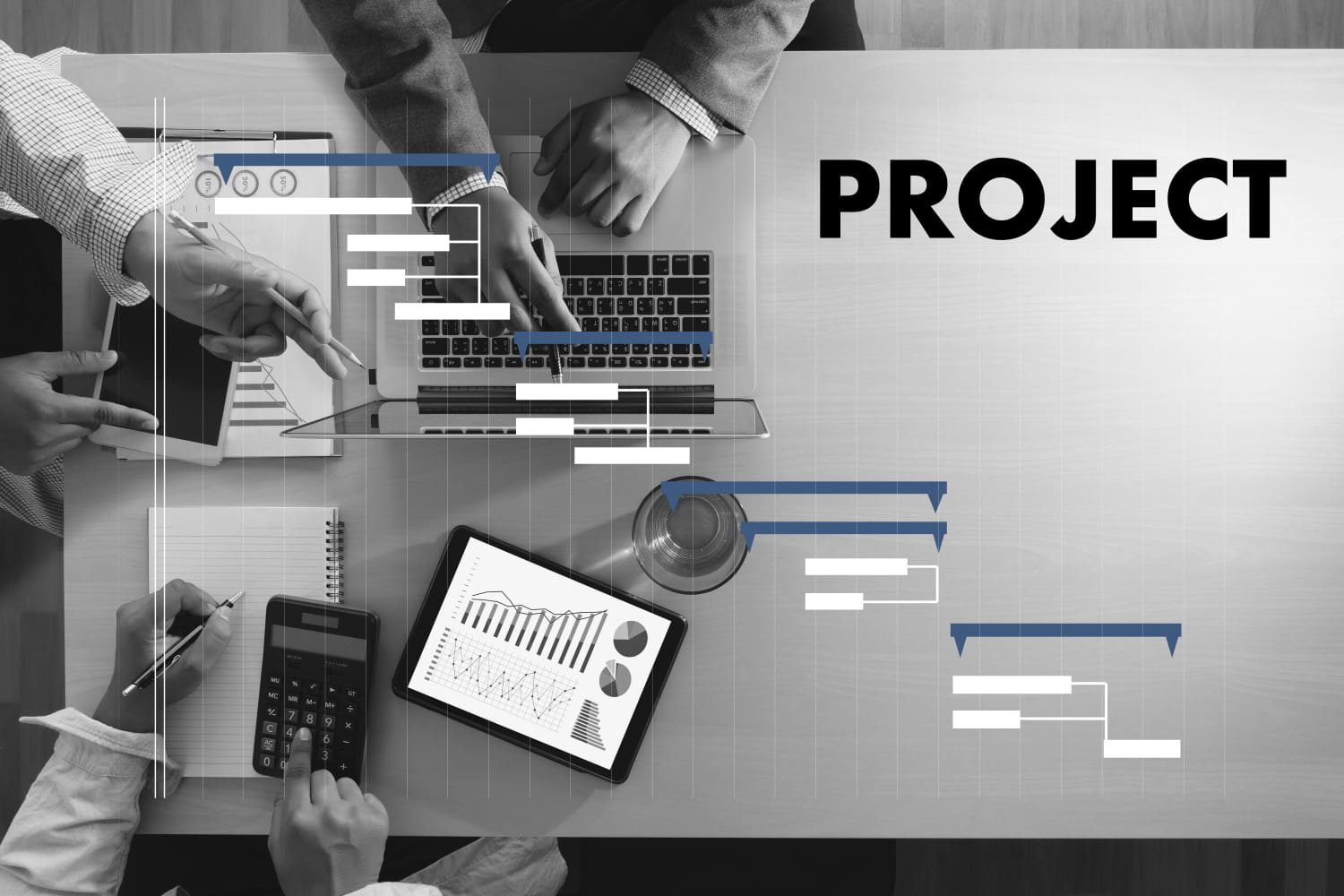
- Initiation : At the project’s outset, thorough planning and alignment with stakeholders occur. This phase involves defining project objectives, identifying constraints (scope, quality, schedule, budget, resources, and risk), and establishing a solid foundation.
- Planning : Detailed project plans are created, covering tasks, timelines, resource allocation, and risk management. The project manager ensures alignment with organizational goals.
- Execution : The project team implements the plan, monitors progress, and manages any deviations. Effective communication, collaboration, and resource utilization are critical.
- Key Components of End-to-End Project Management:
- Scope Management : Defining project boundaries, managing scope changes, and ensuring alignment with business objectives.
- Quality Assurance : Implementing quality control processes throughout the project lifecycle.
- Risk Management : Identifying, assessing, and mitigating risks.
- Resource Allocation : Efficiently allocating resources (human, financial, and material) to achieve project goals.
- Stakeholder Engagement : Engaging and communicating with stakeholders effectively.
- Budget Management : Monitoring project costs and ensuring adherence to the budget.
- Integration Management : Coordinating various project components seamlessly.
- Benefits of End-to-End Project Management:

- Comprehensive Approach : Ensures all project aspects are considered, minimizing surprises.
- Improved Success Rate : Increases the likelihood of achieving project objectives.
- Risk Reduction : Proactive risk management prevents costly setbacks.
- Efficient Resource Utilization : Optimizes resource allocation.
- Enhanced Stakeholder Satisfaction : Clear communication fosters stakeholder confidence.
-
B2B Project Management (B2B PM)
This service is the backbone of successful collaborations between businesses and a critical discipline that ensures seamless execution of business-to-business projects. Let’s delve into its key aspects:
- Customized Solutions:
- B2B projects often require tailored solutions. Project managers collaborate closely with clients to understand their unique needs and design customized approaches. These solutions address specific business challenges and align with organizational goals
- Holistic Approach:
-
B2B project management encompasses the entire project lifecycle:
- Initiation : Defining project objectives and constraints.
- Planning : Creating detailed project plans.
- Execution : Implementing the plan.
- Monitoring and Control : Regular assessments and adjustments.
- Closure : Formal project conclusion with deliverables and stakeholder sign-offs.
-
B2B project management encompasses the entire project lifecycle:
-
Tools and Techniques:
-
B2B project managers leverage various tools:
- Project Management Software : Real-time communication, time tracking, progress monitoring, and financial reporting.
- Stakeholder Engagement Platforms : Facilitate collaboration among B2B partners.
- Risk Management Tools : Identify and mitigate risks.
- Resource Allocation Systems : Optimize resource utilization.
-
B2B project managers leverage various tools:
-
Effective Communication:
- Clear communication with B2B stakeholders is paramount. Project managers ensure alignment, manage expectations, and foster collaboration.
-
Outcome-Driven Approach:
- B2B PM focuses on achieving measurable outcomes—whether it’s cost savings, improved efficiency, or enhanced customer satisfaction
We hold several certifications including but not limited to:
- MSP Practitioner® Certifications
- Prince 2 Foundation & Practitioner Certifications
- Agile Project Management Foundation & Practitioner Certifications
- CAPM (Certified Associate in Project Management) Certifications